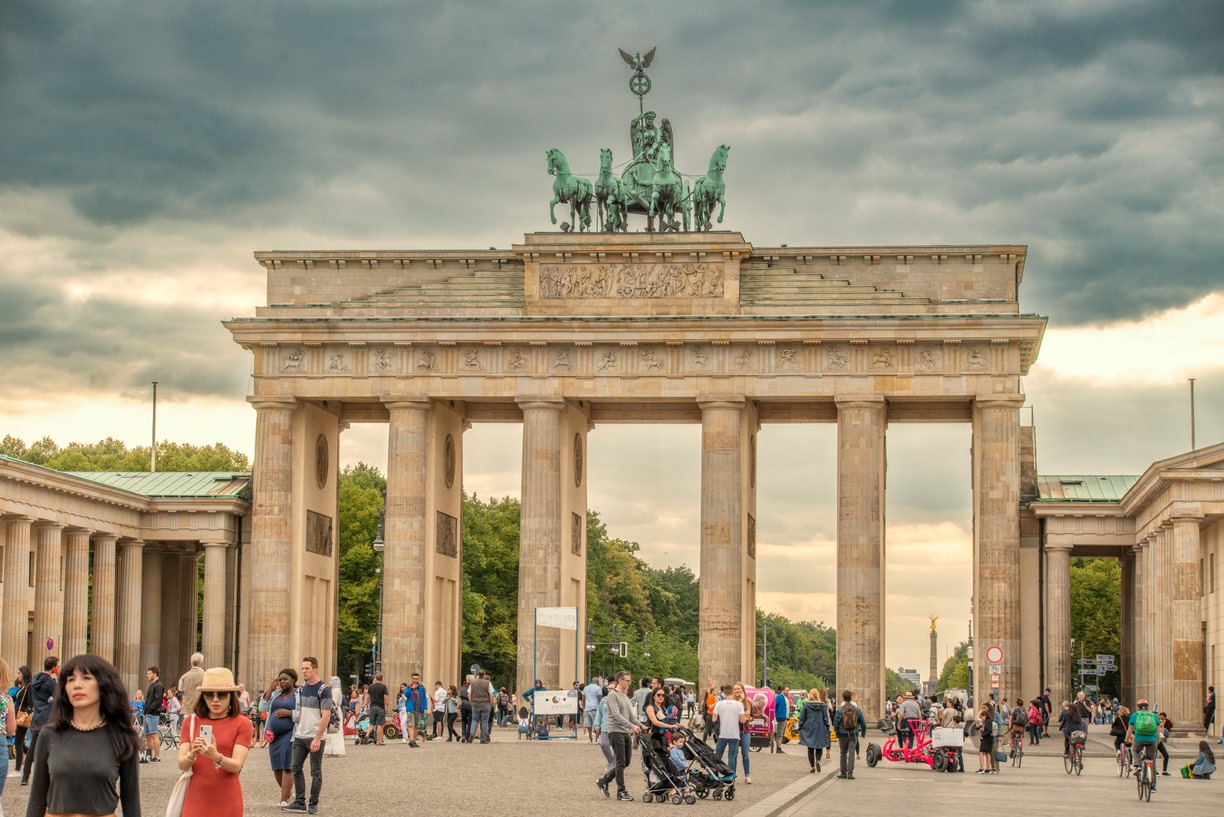
It’s easy to understand why Germany is such a popular travel destination. Its remarkable scenery includes the towering Alps, rolling rivers, fairytale forests and vast vineyards. The cities are full of history and pleasures, including wonderful food, cultural attractions and, of course, steins of beer.
But it’s important to research and prepare before boarding your flight. This can ensure an experience that makes the most of this destination and avoids any travel pitfalls.
Read on to find out everything you need to know about going to Germany.

What to know about traveling to Germany
Researching answers to a few questions before planning a trip to Germany is important. For example, what are the entry requirements and the best months for travel? What forms of payment are accepted? How do you get around the country? And are there any safety and health concerns?
Entry requirements and procedures
According to the Department of State travel site, U.S. citizens face very few travel restrictions when intending to enter Germany.
You don’t need a travel visa if you’re staying in the country for less than 90 days. You’re also not required to have any travel documents other than a passport that’s valid for three months beyond your departure date. But you are restricted to 30,000 Euros in funds or other cash equivalent when entering the country.
While people visiting Germany once needed proof of vaccination to enter, now most Americans don’t.
One exception would be if you traveled to a designated virus-variant area 10 days before traveling, in which case you’d need to present a negative test result.
Also, when it comes to entry restrictions: “U.S. citizens who are residents of China must demonstrate an important need to travel (due to reciprocity).”
Best time to travel to Germany
Summer is usually considered the peak season for travel to Germany. The weather is usually warm and sunny from June to September.
This time is ideal for hiking in the Black Forest, wandering the streets of an exciting city and taking advantage of the many summer festivals. Weather in the spring can be unpredictable, and it’s usually warmer in the fall. But temperatures start to plummet in November and stay cold through winter.
While summer is the busiest season, it could make sense to travel outside the peak time to find better travel and accommodation deals. Or consider traveling for a seasonal purpose, like winter skiing in the Alps or for the fall fun of Oktoberfest.
Luckily, Skyscanner can help you find the best deals on accommodations no matter where you want to go.
Currency exchange and payment options
In the past, many shops, restaurants, bars and businesses didn’t accept credit or debit cards in Germany. The coronavirus pandemic changed things, so plastic is now more widely accepted (though much less so than in the U.S.).
So, it’s wise to bring cash in the form of Euros.
Easily exchange U.S. dollars and travelers’ checks at German banks and exchange bureaus, called Wechselstube or Geldwechsel, in German. You can also exchange money at airports, hotels, many train stations and elsewhere, but be aware of any hidden exchange fees.
Other forms of accepted payment include prepaid travel cards and mobile payments through Apple Pay, Google Pay and Alipay.
Transportation within Germany
Train and car are two of the best ways to get around the country based on cost and speed.
Germany has a huge network of regional and long-distance trains, mostly operated by Deutsche Bahn. These go to both small out-of-the-way stations and major transport hubs, such as Berlin Hbf, Köln Hbf (Cologne), München Hbf (Munich) and Frankfurt Hbf.
You can buy tickets through the Deutsche Bahn website or its smartphone app, at stations and sometimes even on the train itself.
Rent a car to zip along Germany’s fast-moving Autobahn network, with 6,800 miles of roadway. One of the best ways to arrange transportation in Germany (and to Germany) is to turn to Skyscanner.
Whether you want a small car, people carrier, SUV, van or something else, Skyscanner can help you compare thousands of deals for rental vehicles and quickly get you behind the wheel of a vehicle that best suits your driving needs and travel plans.
Safety and health
While Germany has largely relaxed its requirements for COVID-19 vaccinations and PCR tests, it’s a good idea to check the German government site for further information. U.S. Medicare won’t cover medical bills in the country, so ensure your health insurance will.
If you don’t have appropriate travel insurance, it’s a good idea to buy coverage from a U.S. provider. But be prepared. A German health care provider might expect immediate payment for services via cash rather than a credit card.
Check out the Department of State German Travel Advisory page for the latest travel advisories to Germany.
Top destinations in Germany
No trip to Germany should be without a visit to one or more of its main cities, including Berlin, Munich, Hamburg and Frankfurt.
Whether you want to get lost in the holiday celebrations of Oktoberfest or centuries-old markets, explore the old sections of the city, discover cultural and historical treasures or feast on rich food, you’ll find it here.
Besides the following cities, other urban centers worth visiting include Dresden, Cologne and Leipzig.
Berlin
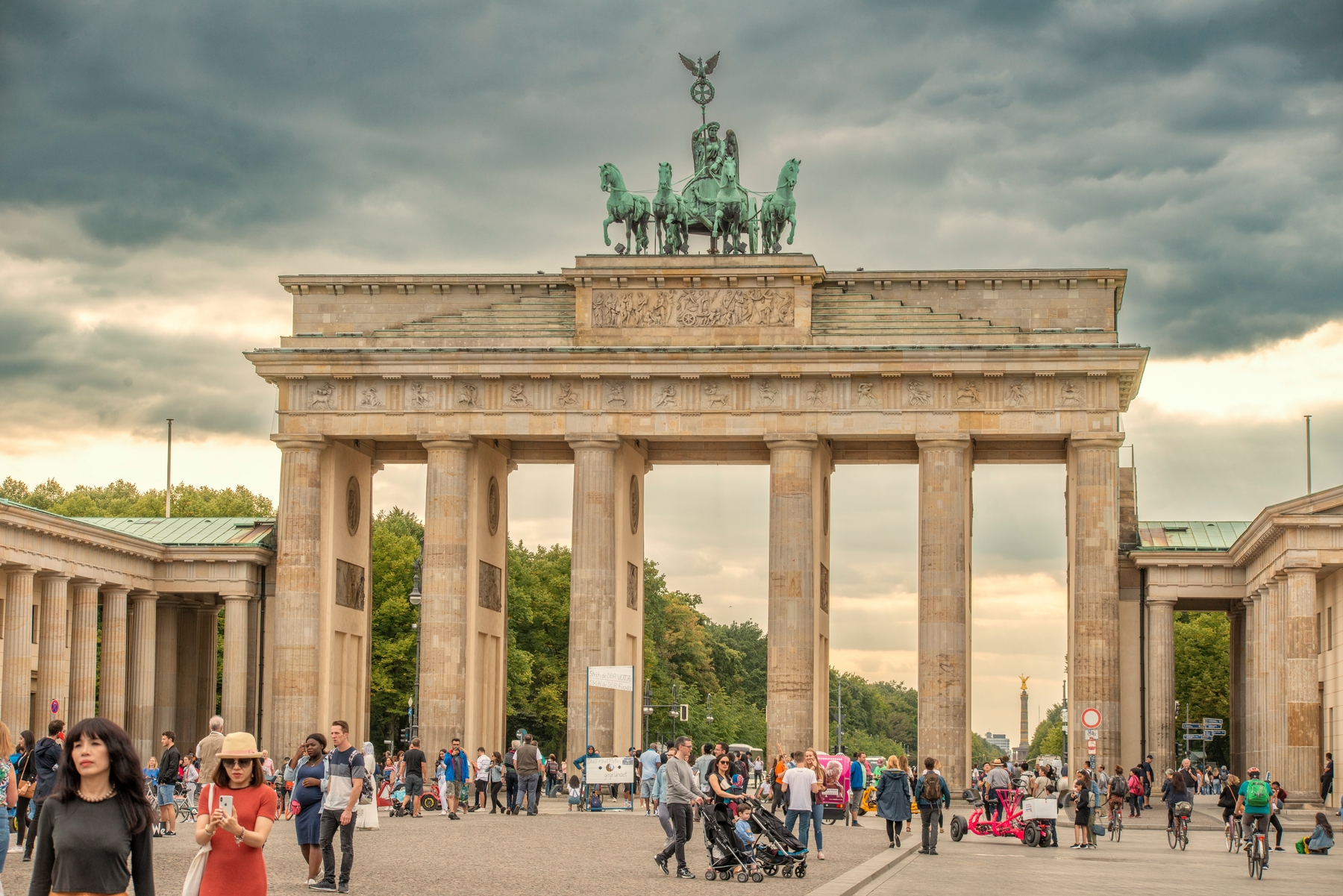
The capital of Germany embraces its war-torn past with world-class museums and historical landmarks, and its energetic modern side with a thriving food scene and vibrant nightlife. A walk along the Berlin Wall and a visit to Checkpoint Charlie is a must for Cold War buffs.
Designed by architect Peter Eisenman, the Memorial to the Murdered Jews of Europe pays heartbreaking tribute to the Jewish victims of Nazis during the Holocaust.
Visitors can explore a lot of great neighborhoods, including the bustling city-center Mitte, the bohemian Kreuzberg and Schoneberg. This was the center of nightlife in the 1920s, and the LGBTQ+ community has given it new life today.
Munich
If you love beer, a visit to Munich in Bavaria is mandatory. The city has had a seven-century love affair with the beverage, reflected in its annual Oktoberfest celebration and beer gardens enjoyed by more than 6 million people each year!
The city also has an active local art scene in the Kunstareal, its art quarter, offering everything from Dutch Masters to outstanding examples of 1960s design.
You can go people-watching in Marienplatz (Munich’s main square), visit the English Garden(the largest city park on the Continent), spend time at Deutsches Museum (Munich’s answer to the Smithsonian) and much more.
You can also enter palaces that are remnants of the 700-year rule of a single family, the Wittelsbachs.
Hamburg
Germany’s second-largest city, Hamburg, has long claimed to be “the gateway to the world” with its busy port and network of canals.
Its Speicherstadt is the world’s largest warehouse district, boasting striking neo-gothic architecture. Its red brick buildings were built on timber foundations and catch fire with the sunset light, which also sparkles off the canal water.
The city’s long musical history, including the likes of Gustav Mahler, Johannes Brahms and Felix Mendelssohn, is reflected in its modern Elbphilharmonie concert hall. Its striking glass-and-brick structure dominates the city’s skyline. Hamburg also helped shape modern music as the place where the Beatles began their climb to fame.
Great restaurants, a lively Oktoberfest celebration and other striking examples of architecture round out the city’s appeal.
Frankfurt
Frankfurt (or Frankfurt-on-the-Main) is Germany’s financial and business hub, reflected in its modern skyline and a stock exchange that’s one of the world’s largest. Contrasting this is the city’s many museums, traditional taverns serving regional cuisine and the charming medieval Altstadt (Old Town).
The 19th-century Italian Renaissance-style Alte Oper is also worth a visit, nestled on one end of the Zeil-Fressgass pedestrian zone. The opera hall’s ornate, reconstructed facade includes statues of Goethe and Mozart.
The city is host to one of the country’s largest Christmas markets, running from late November to just before the holiday. The market traces its history back to the 14th century and boasts stunning backdrops of the Romerberg and St Paul’s Square with a huge Christmas tree towering overhead. Many food and gift stalls make dining and holiday shopping a breeze.
How to travel around Germany on a budget

Since the costs of a trip to Germany can quickly add up, we offer some ways to give your pocketbook a break. These include:
- Choose budget-friendly accommodations. A lot of your budget could go toward accommodations. It helps to be flexible when looking for bargains. You might save money, for example, if you’re willing to take a hotel outside the city center. You can also use Skyscanner to find the best deals on top hotels.
- Take public transportation. Germany makes it easy to get around, with a national and regional network of trains and public transportation systems in every major city, including buses, streetcars and subways. Rather than paying by the trip, you can save money by buying daily or multiday tickets.
- Use discount cards. Many cities offer discount cards that provide free or discounted entry to museums, attractions and public transportation. If you’re traveling between cities, you can buy a BahnCard to save up to 50% on ticket prices. Choose from a variety of discount cards in Berlin, including ones for attractions and businesses, transportation, museums and more.
- Eat street food. Germany has some great restaurants, but they can get pricey. Indulge your appetite for great food on a budget by visiting some of the many outdoor food stands and stalls. These offer a great variety of options, ranging from currywurst (spicy sausages) and doner kebabs to fresh hot pretzels and roasted chestnuts.
- Go to free attractions. You can enjoy a lot of attractions for no charge. For example, you can go to the Reichstag, home of the German parliament, and take an elevator ride up to the roof terrace for spectacular views over Berlin. Or you can travel across the Hohenzollern Bridge in Cologne, looking at all the locks left behind by people in love. Most major cities offer free walking tours (and even free museum trips) where you can spend your time without expense.
- Plan your trip in the off-season. You’ll spend less money and cope with smaller crowds if you plan your visit during off-peak season, from October to May.
Enjoy your trip to Germany
A great trip to Germany depends on the quality of the planning you do ahead of time. Whether you’re deciding when to go to the country, how to get there, where to stay or what to see and do, your upfront research can make the difference between experiencing a frustrating trip and a wonderful journey.
This is where Skyscanner can help. Use our platform to find the best prices and available dates for flights, hotels and car rentals.
We ensure the entire planning and booking experience is simple and enjoyable. You can also use our smartphone app to make and change arrangements on the move.
Skyscanner can help you take care of all the arrangements for your trip to Germany so all you have left to do is enjoy.
Read on to find answers to some of the most common questions about traveling to Germany.
Germany travel FAQ
f you want the best weather and most things to do, peak season is usually June to September. Autumn and spring are good times to visit if you want lower prices and fewer crowds — or to go for special off-season events like Oktoberfest.
The winter months rule if you like cold-weather activities like alpine skiing or visiting Christmas markets.
The country’s spoken language is mostly standard German, with some regional dialects thrown in. That said, English is widely understood, as are French and Spanish.
Learning some basic German phrases and having a translation app or phrase book is useful when you’re somewhere where locals may not understand English well (and to be friendly).
Debit and credit cards are widely accepted in Germany at hotels, restaurants, stores and elsewhere.
That said, they’re not as universally accepted as they are in the United States, so having some cash on hand is a good idea. It’s easy to exchange U.S. dollars for Euros in banks, airports, exchange bureaus and hotels.
People traveling from England to Germany have many choices, including plane, subway, train, bus, night train, car, car train and car ferry.
No matter where you’re traveling from, you can use Skyscanner to find all your flight options in one place. We’ve helped more than 100 million people across the world get where they needed to go with the best prices and travel choices.